

By Ben Samuel
Naija24Entertainment
UK Prime Minister Keir Starmer has rejected criticism from former US president Donald Trump over Britain’s decision to continue doing business with China, insisting that engagement with Beijing remains in the UK’s national interest.
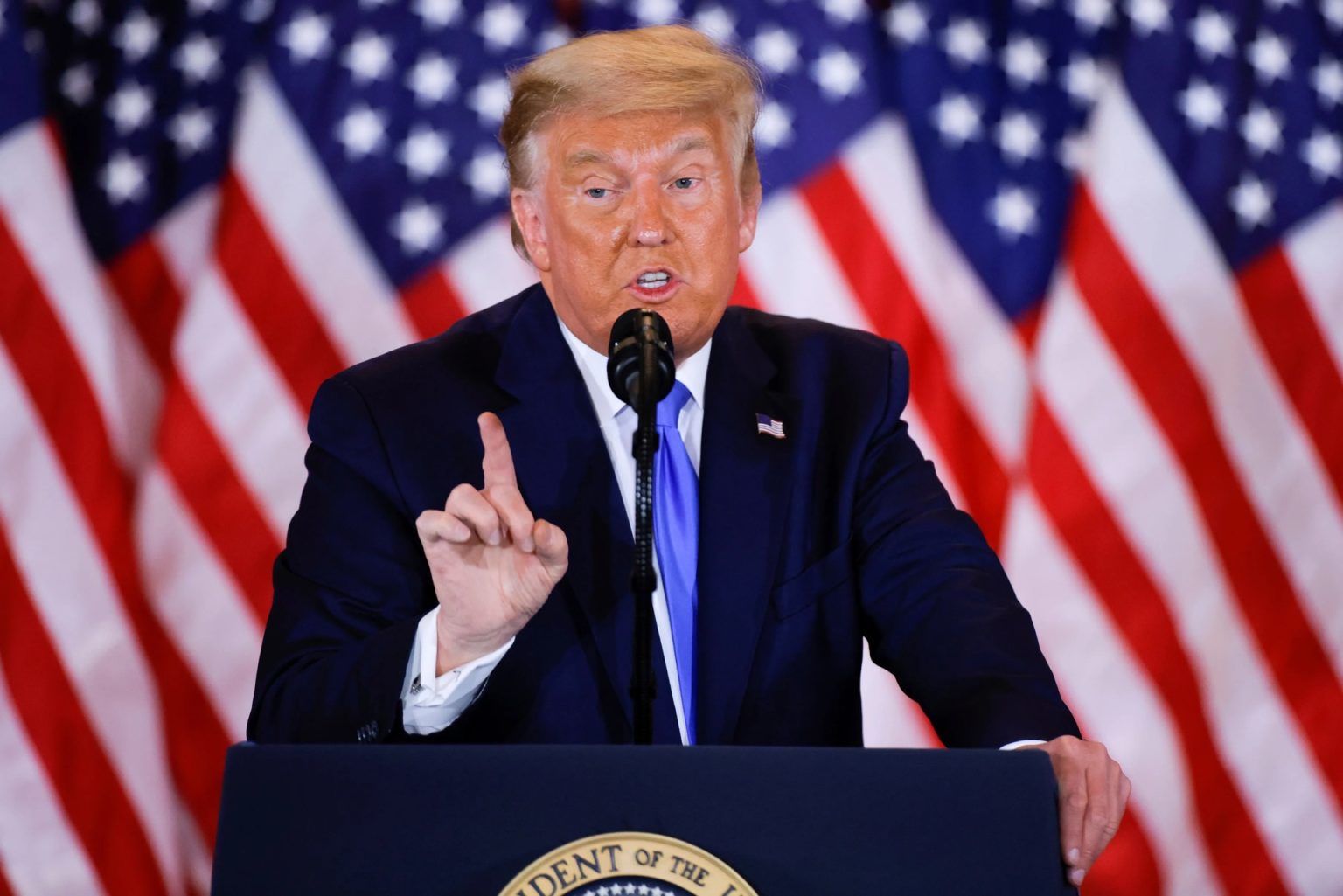
Speaking during an official visit to China, Starmer made clear that the British government would not be pressured into cutting economic and diplomatic ties simply because of warnings from Washington. Trump had publicly suggested that closer business links between the UK and China were “very dangerous”, raising concerns about security and political influence.
Starmer, however, said the UK could not afford to ignore China’s role in the global economy and should not “stick its head in the sand” when it comes to dealing with one of the world’s most powerful countries. He argued that Britain must take a practical and realistic approach to international relations, particularly at a time when the country is seeking new trade opportunities and stronger investment flows.
The prime minister’s comments came as part of a high level visit to China aimed at improving economic cooperation and restoring diplomatic engagement after years of strained relations between London and Beijing. During the trip, Starmer held talks with Chinese President Xi Jinping, as well as senior officials and business leaders.

According to briefings released during the visit, the UK government is seeking to expand market access for British companies operating in China, particularly in services and financial sectors. Discussions also included barriers to trade, business travel and investment conditions, areas that have long been sources of frustration for UK firms attempting to operate in the Chinese market.
Trump’s criticism appeared to be directed at Western countries increasing economic engagement with China, but Starmer suggested that the former US president’s remarks may not have been aimed solely at Britain. He said the UK had been transparent with its allies about the purpose of the visit and had made it clear that engagement did not mean abandoning concerns about security or human rights.
The prime minister stressed that the government remains firm on issues such as national security, technological protection and international law. At the same time, he argued that dialogue and trade are still necessary tools in managing a complex relationship with a global power such as China.
The visit also comes against a backdrop of long standing tensions between the UK and China over human rights, particularly in relation to the treatment of ethnic minorities in the Xinjiang region. In recent years, relations have been further strained by concerns around cyber security, foreign influence and the role of Chinese technology companies in critical infrastructure.
Despite those disputes, Starmer said it was unrealistic to attempt to isolate China entirely and that Britain’s economic future depends on maintaining working relationships with major global markets.
The issue has also highlighted the growing challenge facing Western governments as they try to balance close political and security ties with the United States while also maintaining economic links with China. For the UK, that balancing act has become even more sensitive following Brexit, with ministers under pressure to secure new trade opportunities outside the European Union.
For many Nigerians and members of the wider African diaspora living in the UK, the debate is more than a diplomatic dispute between world powers. China plays a significant role in Africa’s infrastructure, manufacturing and technology sectors, while the UK remains an important destination for African trade, education and investment.
Any shift in how Britain positions itself between Washington and Beijing can affect trade flows, visa policies, business confidence and global investment patterns. These changes often have a direct impact on African owned businesses operating in the UK and on entrepreneurs who rely on links to both Chinese and British markets.
The renewed focus on UK China relations also highlights how global power struggles increasingly shape opportunities for developing economies. Many African countries are closely watching how Western nations redefine their partnerships with China, particularly as competition over technology, energy and supply chains intensifies.
While Trump’s warning has added political tension to Starmer’s visit, the prime minister has made clear that his government intends to pursue a pragmatic foreign policy. His message is that Britain will continue to raise difficult issues with Beijing, but will not walk away from economic engagement that it believes is vital to the country’s long term interests.
Source credit
Original reporting by Sky News journalist Athena Stavrou, published via MSN.