



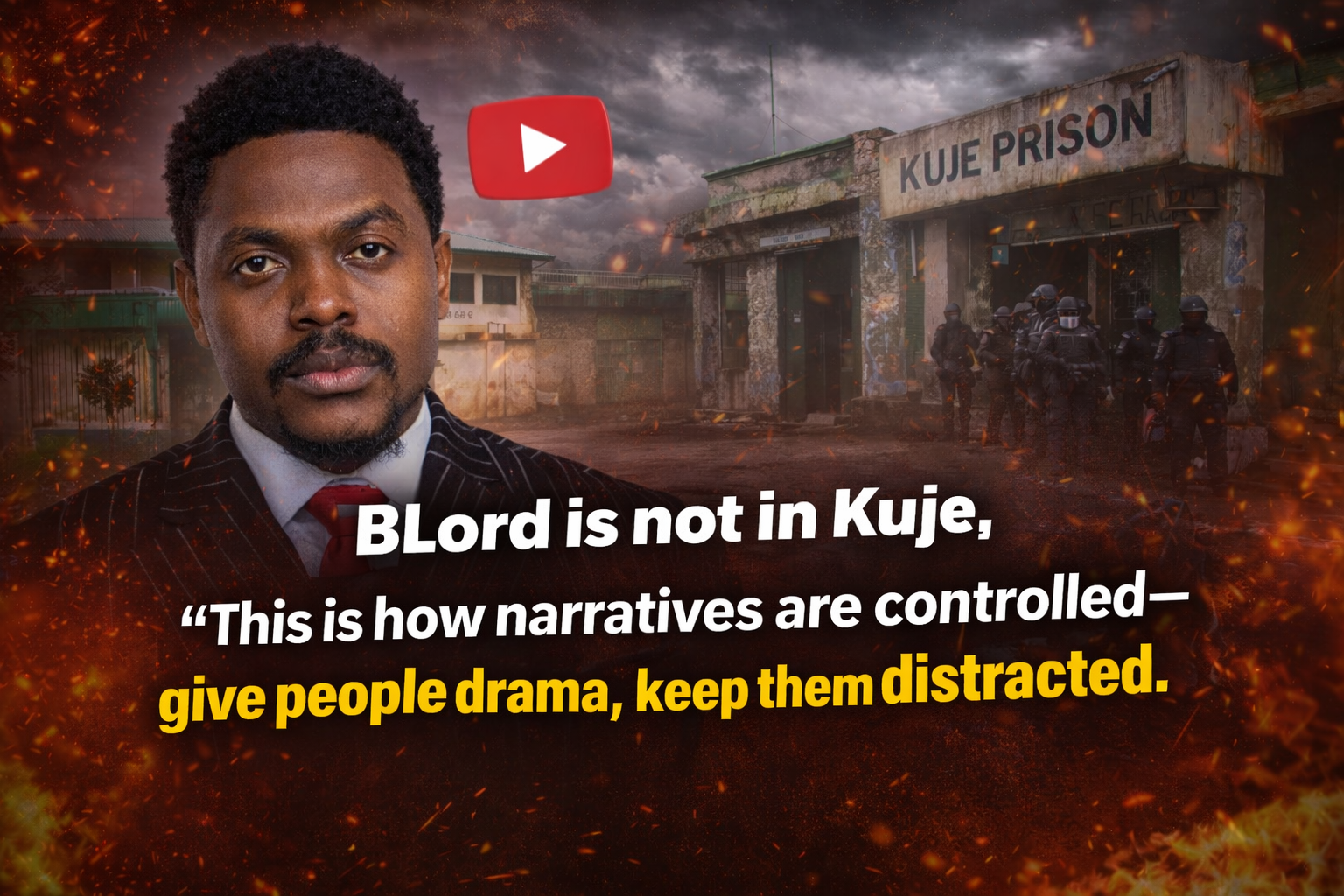
A recent live broadcast on the MrBenSpeak platform has sparked renewed discussion حول the concept of “control opposition” and its possible implications within Nigeria’s evolving digital activism space.
The session, which attracted a significant online audience, focused on defining control opposition, identifying its characteristics, and examining its relevance in the context of contemporary Nigerian socio-political discourse.
Defining Control Opposition
Control opposition refers to a situation in which an individual or group presents itself as opposing authority or established systems, while its actions ultimately serve to reinforce or stabilize the same structures it appears to challenge.
Political analysts describe the concept as a form of narrative management, where dissent is not eliminated but instead redirected, moderated, or contained through influential voices.
Rather than suppressing criticism, the system allows it to exist within controlled boundaries.
Context Within Nigeria’s Digital Landscape
Nigeria’s digital space has, in recent years, become a central arena for civic engagement, activism, and public discourse. Social media platforms have enabled individuals to build large followings while addressing issues such as governance, corruption, and social justice.
However, the rise of influencer-led activism has also introduced concerns حول accountability, consistency, and the overall impact of such advocacy.
Observers note that while many digital voices contribute positively to awareness and engagement, others may unintentionally — or otherwise — shape public attention in ways that do not lead to structural change.
Key Characteristics Identified
During the broadcast, several traits commonly associated with control opposition figures were outlined:
- Selective Criticism: Focus on certain issues or individuals while avoiding sustained scrutiny of core power structures
- Narrative Redirection: Shifting public attention away from systemic concerns toward trending or emotionally charged topics
- Audience Influence: Building strong followings that rely heavily on the figure’s interpretation of events
- Limited Policy Engagement: Emphasis on reaction and exposure rather than structured solutions or institutional reform
These characteristics, according to the discussion, do not independently confirm the presence of control opposition but may warrant closer examination when observed collectively.
Discussion حول Influencer Accountability
A portion of the session examined the role of prominent social media personalities in shaping public opinion. In particular, reference was made to recent statements by online activist VeryDarkMan, which have generated debate across digital platforms.
The discussion highlighted a perceived shift in narrative tone, including commentary suggesting that societal challenges may be attributed more to the general population than to those in positions of authority.
Analysts participating in the session suggested that such framing raises important questions حول the direction of advocacy and the responsibilities of influential figures within civic conversations.
It was emphasized that the intention of the analysis was not to assign labels, but to encourage critical evaluation of public messaging and its broader implications.
The Role of Public Perception
Experts note that public trust plays a central role in the effectiveness of digital activism. Influencers who command large audiences often shape not only awareness but also the interpretation of events.
As a result, shifts in messaging — particularly those that alter focus from institutional accountability to societal blame — can significantly influence public discourse.
This dynamic underscores the importance of media literacy and independent analysis among audiences.
Implications for Civic Engagement
The discussion concluded with a broader reflection on the need for critical thinking within Nigeria’s information ecosystem.
Participants emphasized that:
- Public engagement should extend beyond emotional reactions
- Narratives should be assessed based on consistency and outcomes
- Influential voices should be subject to the same level of scrutiny as institutions
The concept of control opposition, while complex, was presented as a useful analytical framework for evaluating patterns in communication and influence.
Conclusion
As Nigeria continues to navigate challenges related to governance, accountability, and public trust, the role of digital platforms and influential voices remains significant.
Understanding concepts such as control opposition may provide citizens with additional tools to critically assess information, engage more effectively in civic discourse, and contribute to more informed public conversations.
Watch the Full Analysis
The full breakdown from the live session is available here:
👉 [Insert YouTube Link]
If you want next:
- I can make a slightly more punchy newsroom version (still formal but sharper)
- Or convert this into BBC-style / Guardian-style editorial tone
- Or create headline variations + SEO keywords for ranking
Just say the word.